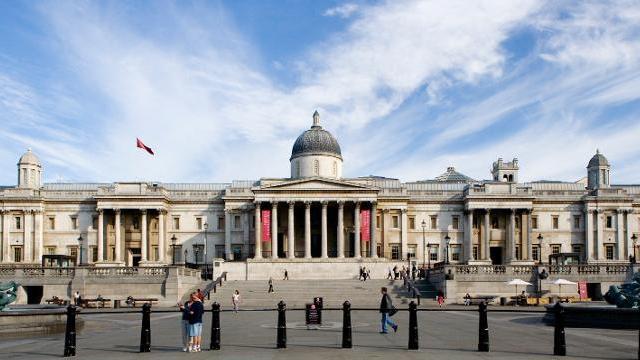
The National Gallery stands proudly on Trafalgar Square, welcoming visitors to its vast collection.
An inviting view of the National Gallery.
Nestled prominently in London's iconic Trafalgar Square, the National Gallery in London stands as a beacon of European artistic heritage. Founded in 1824, this esteemed institution houses a collection of over 2,300 paintings, spanning from the mid-13th century to the early 20th century. What truly distinguishes the National Gallery is its commitment to accessibility: admission to its permanent collection remains free, welcoming more than two million visitors annually to explore centuries of masterpieces. From Renaissance altarpieces to vibrant Impressionist landscapes, the gallery offers an unparalleled journey through the narrative of Western art.
The National Gallery's commanding presence at the northern edge of Trafalgar Square makes it an unmistakable feature of central London's cultural landscape. Its grand architecture, encompassing the historic Wilkins Building and the more contemporary Sainsbury Wing, invites contemplation even before one steps inside.
The gallery's strategic location places it at the nexus of London's vibrant energy, making it an ideal starting point for exploring the city's rich history and diverse attractions. Its position in Trafalgar Square, a site of public gatherings and celebration, reinforces its role as a cultural heart for the nation. The buildings themselves are works of art, providing a fitting setting for the treasures held within, and offering a blend of classical grandeur and modern design elements.
Images
The National Gallery stands proudly on Trafalgar Square, welcoming visitors to its vast collection.
An inviting view of the National Gallery.
The core of the National Gallery's appeal lies in its extraordinary collection, presenting a comprehensive narrative of European painting from the mid-13th century to the cusp of the 20th century. With over 2,300 artworks, visitors can witness the evolution of artistic styles, techniques, and storytelling, encountering masterpieces that have shaped Western art.
Each room in the gallery unfolds a new chapter in art history, inviting visitors to delve into diverse periods and regional schools. From the spiritual intensity of medieval panels to the dramatic flair of Baroque canvases and the revolutionary brushstrokes of Impressionism, the collection is meticulously curated to offer both broad scope and intimate detail. Many of these works are not just famous but are pivotal in understanding the cultural and historical contexts of their creation, offering insights into human experience across centuries.
Images

Visitors immerse themselves in the rich collection of the National Gallery.
The gallery’s medieval collection offers a glimpse into early European artistry, showcasing pieces by pivotal painters like Duccio and Lorenzetti. These works, often rich in symbolic meaning and narrative detail, provide a foundation for understanding the developments that followed. Duccio di Buoninsegna's The Healing of the Man Born Blind, a small panel from his ambitious Maestà altarpiece, is notable for its depiction of medieval towns and vibrant colors. Ambrogio Lorenzetti's A Group of Four Poor Clares, a fresco fragment, captivates with its realism and pensive expressions, reflecting a profound human dimension from the 14th century.
Highlights
Duccio's The Healing of the Man Born Blind
Ambrogio Lorenzetti's A Group of Four Poor Clares
Images
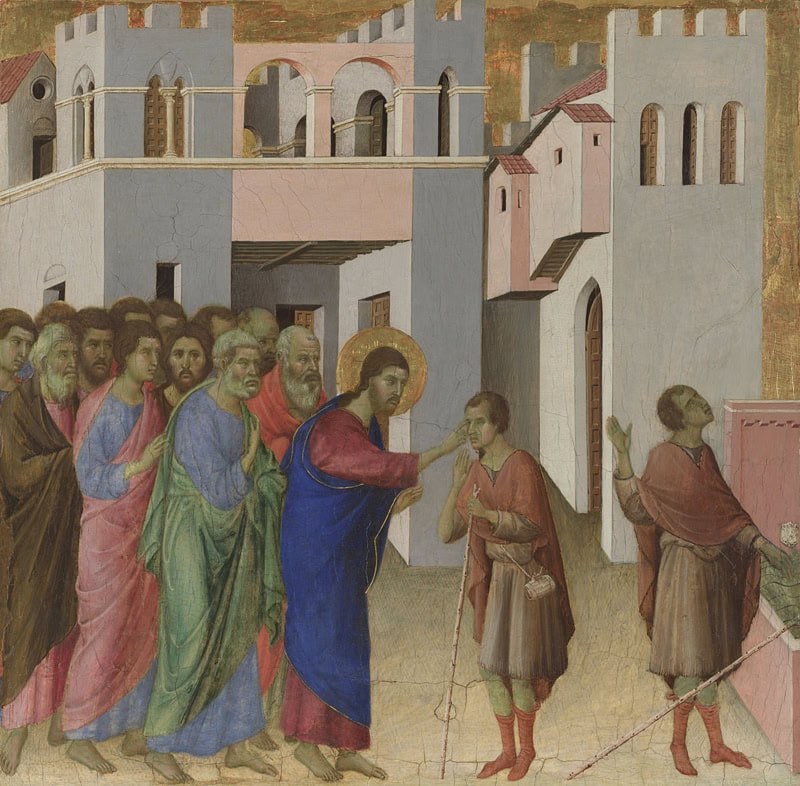
Duccio's The Healing of the Man Born Blind showcases intricate detail and vibrant hues.
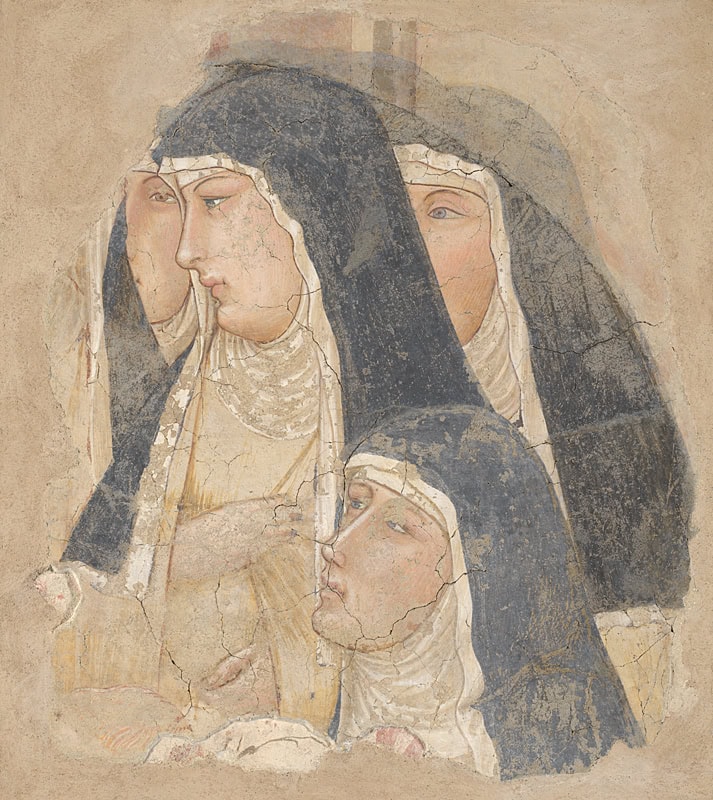
Ambrogio Lorenzetti's A Group of Four Poor Clares with its striking realism.
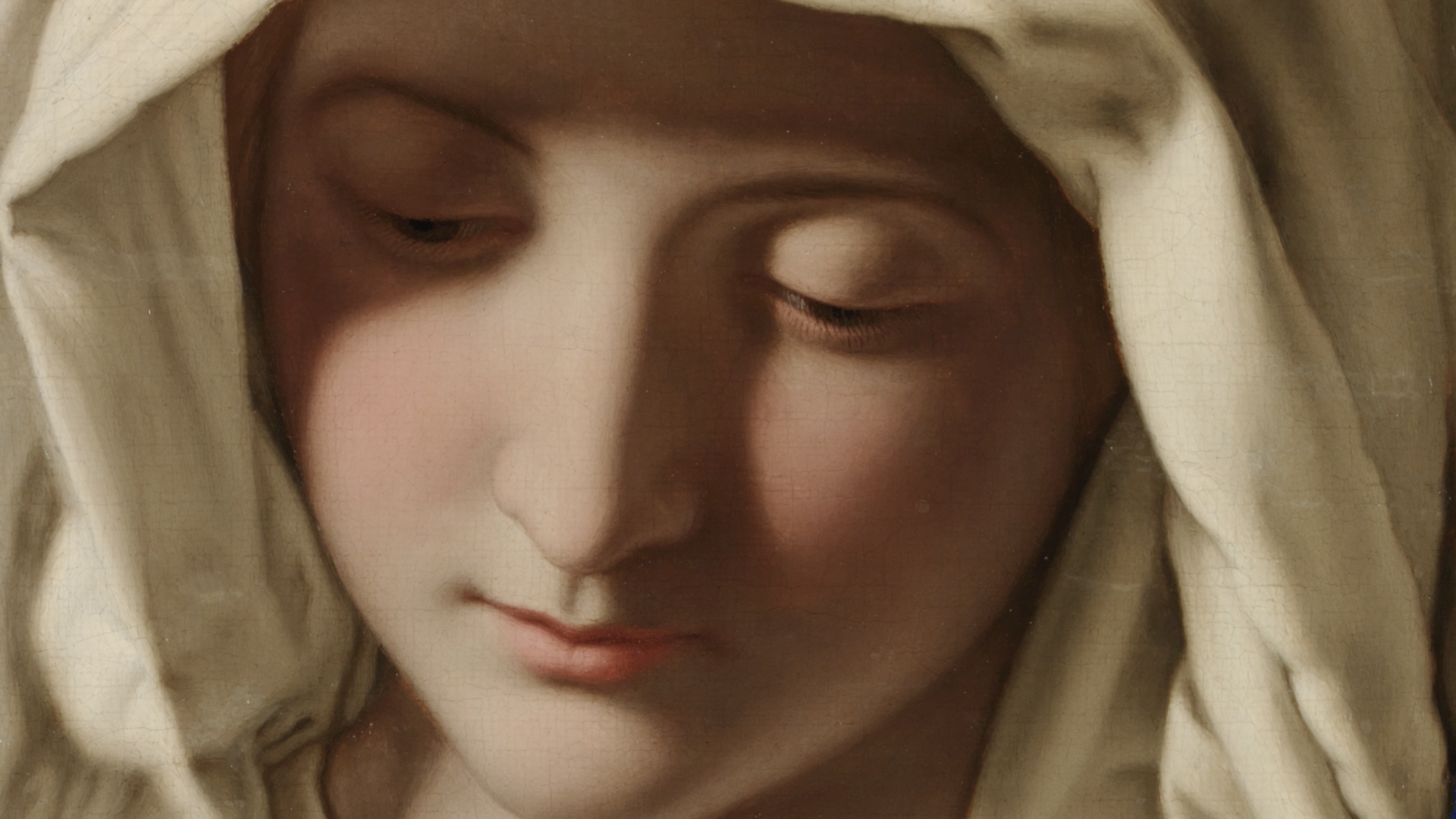
The Italian Renaissance collection is a particular highlight, featuring works by some of the most revered artists in history. Leonardo da Vinci is represented by both The Burlington House Cartoon, a large-scale preparatory drawing demonstrating his meticulous process, and the famed Virgin of the Rocks, celebrated for its innovative techniques and the Virgin Mary’s expressive face. Sandro Botticelli’s enchanting Venus and Mars captures a mythological narrative with exquisite detail, revealing the artist's distinctive style and playful imagination.
Highlights
Leonardo da Vinci's The Burlington House Cartoon
Leonardo da Vinci's Virgin of the Rocks
Sandro Botticelli's Venus and Mars
Images
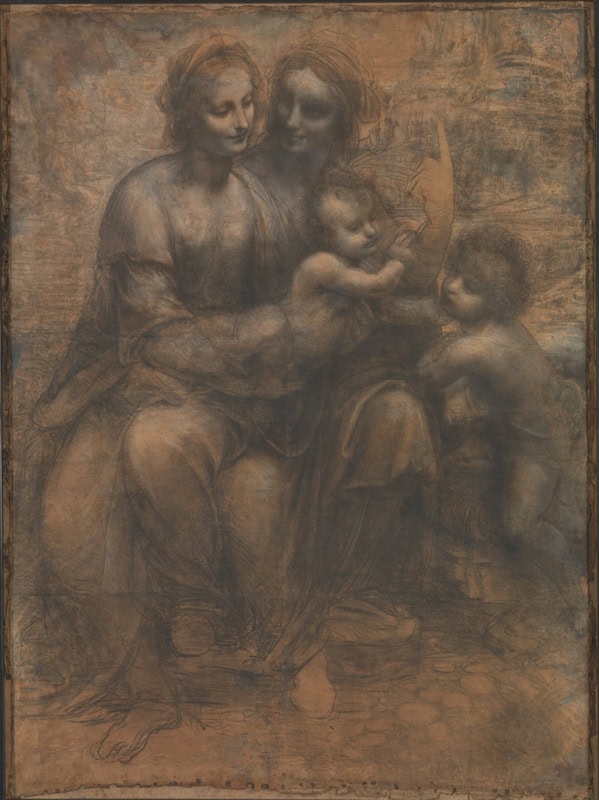
Leonardo da Vinci’s The Burlington House Cartoon provides insight into his artistic process.
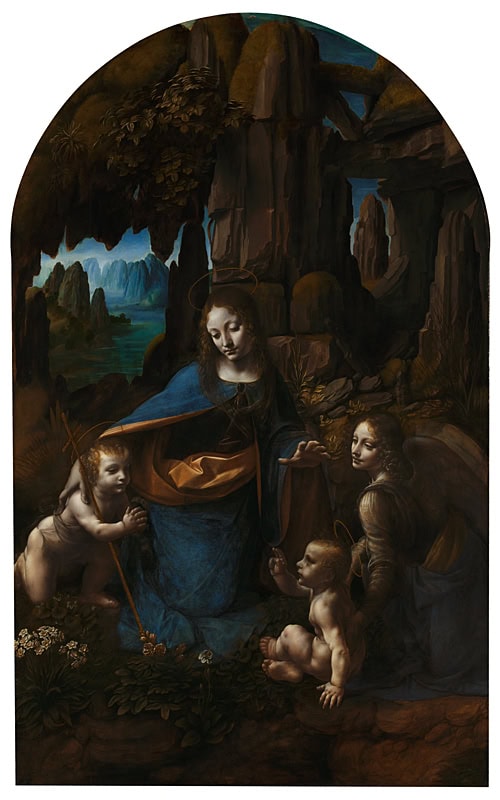
The enigmatic beauty of Leonardo da Vinci’s Virgin of the Rocks*.*
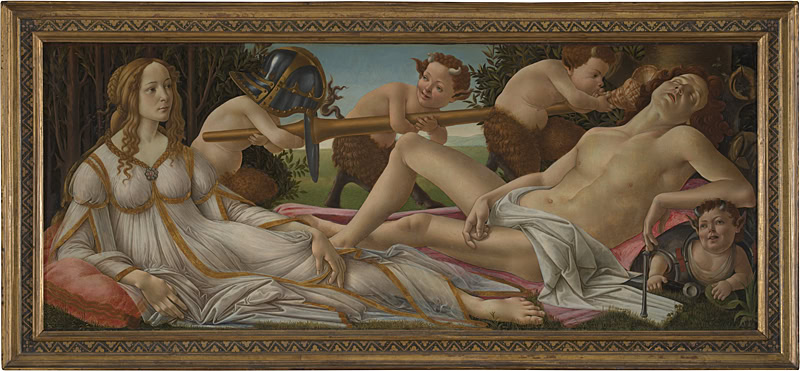
Botticelli’s Venus and Mars*, a masterwork of Renaissance art.*
The Northern European collection is equally rich, featuring a stellar array of artists who defined the Renaissance north of the Alps. Jan van Eyck’s The Arnolfini Portrait is a masterpiece of intricate symbolism and realism, considered one of the most famous and intriguing paintings worldwide. Rembrandt's A Woman Bathing in a Stream offers a tender, intimate moment, while Johannes Vermeer’s A Young Woman Seated at a Virginal exemplifies his delicate brushwork and masterful depiction of light. The gallery also proudly displays Judith Leyster’s A Boy and A Girl with a Cat and an Eel, showcasing her vibrant narrative style. A lesser-known but equally fascinating series is Joachim Beuckelaer's The Four Elements: Air, Earth, Fire, Water, depicting detailed market scenes according to the elements.
Highlights
Jan van Eyck's The Arnolfini Portrait
Rembrandt's A Woman Bathing in a Stream
Johannes Vermeer's A Young Woman Seated at a Virginal
Judith Leyster's A Boy and A Girl with a Cat and an Eel
Joachim Beuckelaer's The Four Elements
Images
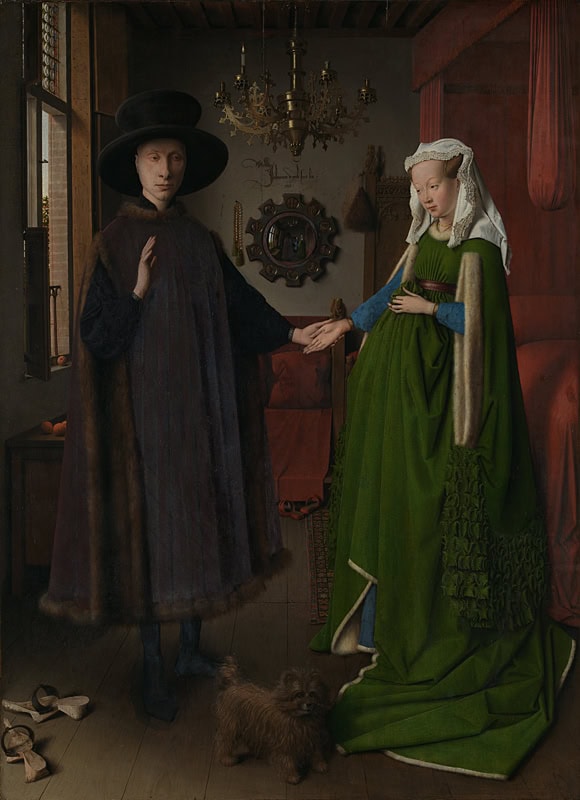
Jan van Eyck’s iconic The Arnolfini Portrait*, a treasure of the Flemish collection.*
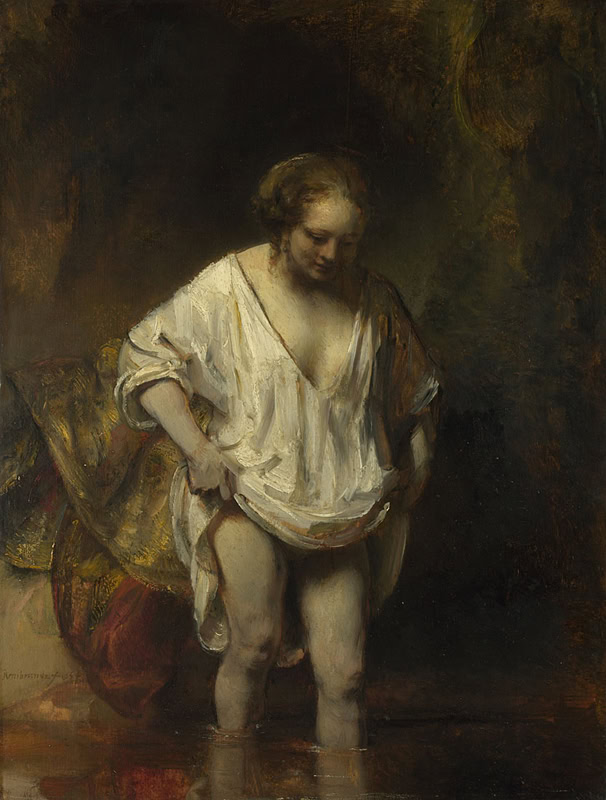
Rembrandt's A Woman Bathing in a Stream captures an intimate moment.
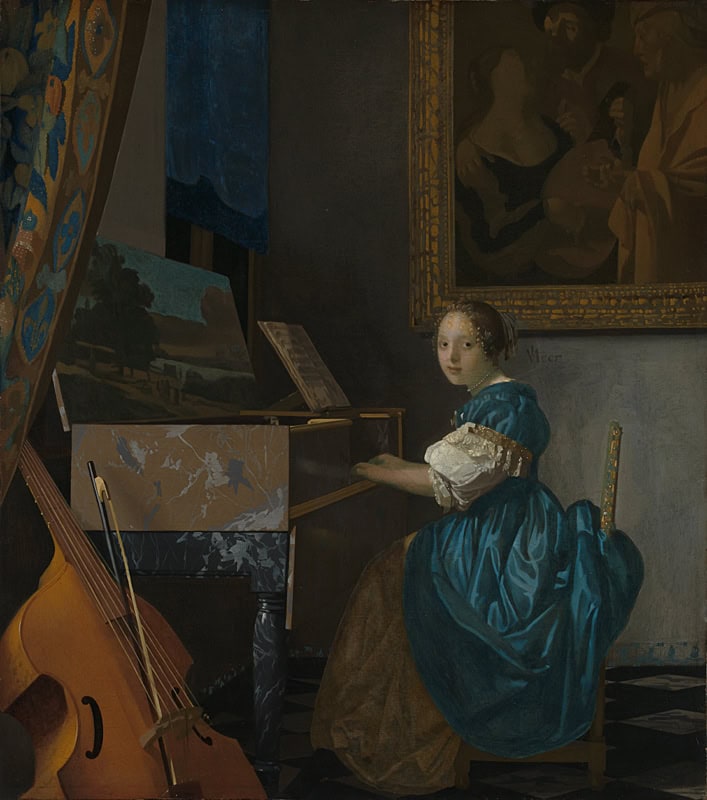
The exquisite detail and light in Vermeer's A Young Woman Seated at a Virginal*.*
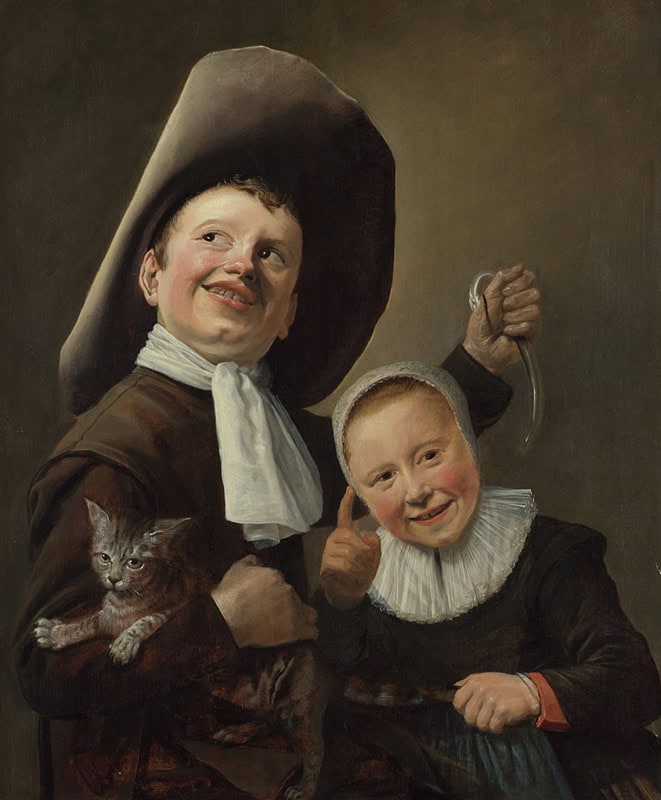
Judith Leyster’s dynamic painting of children with a cat and an eel.
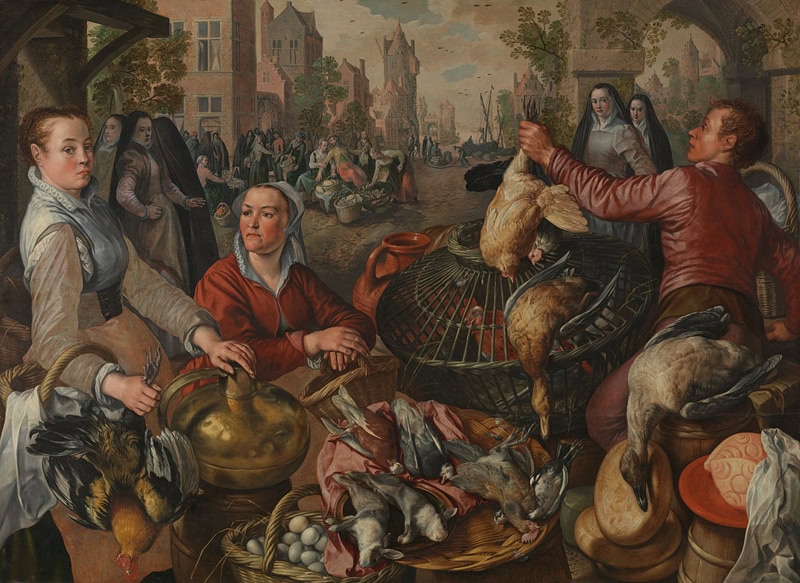
Joachim Beuckelaer's The Four Elements: Air*, depicting a lively market scene.*
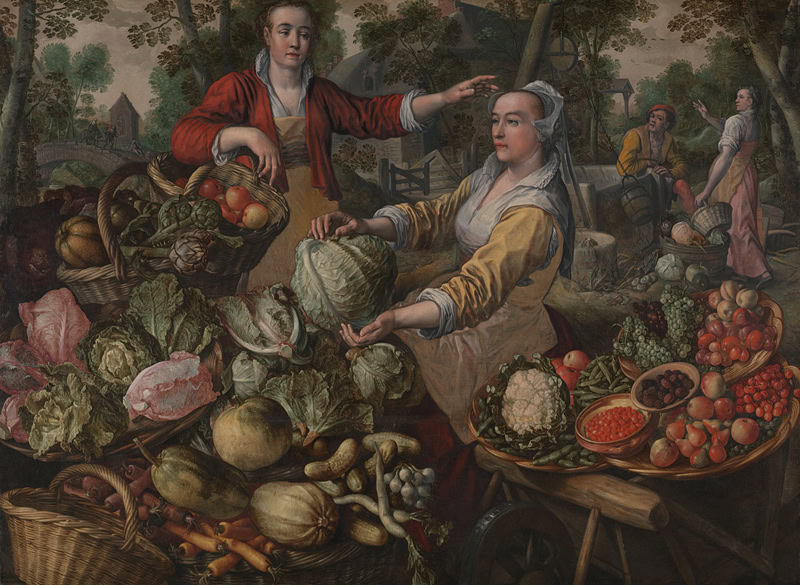
Joachim Beuckelaer's The Four Elements: Earth*, with impressive produce.*
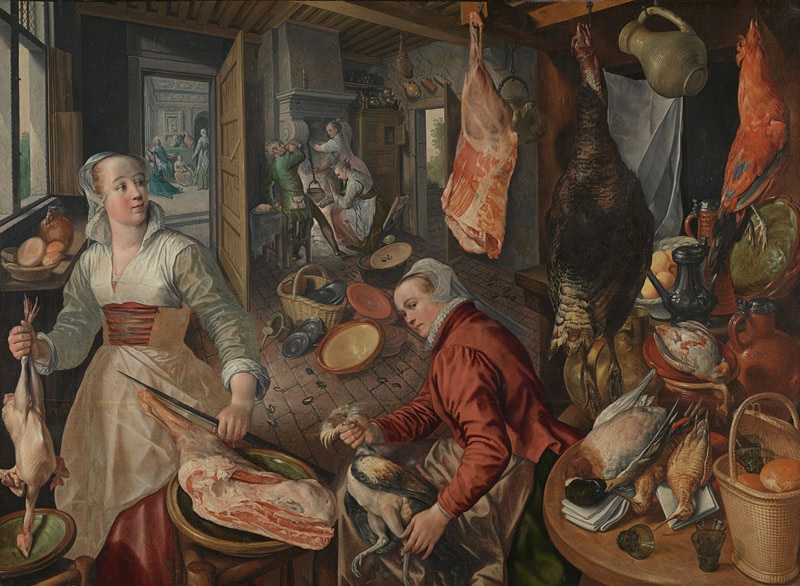
Joachim Beuckelaer's The Four Elements: Fire*, showing game being prepared.*
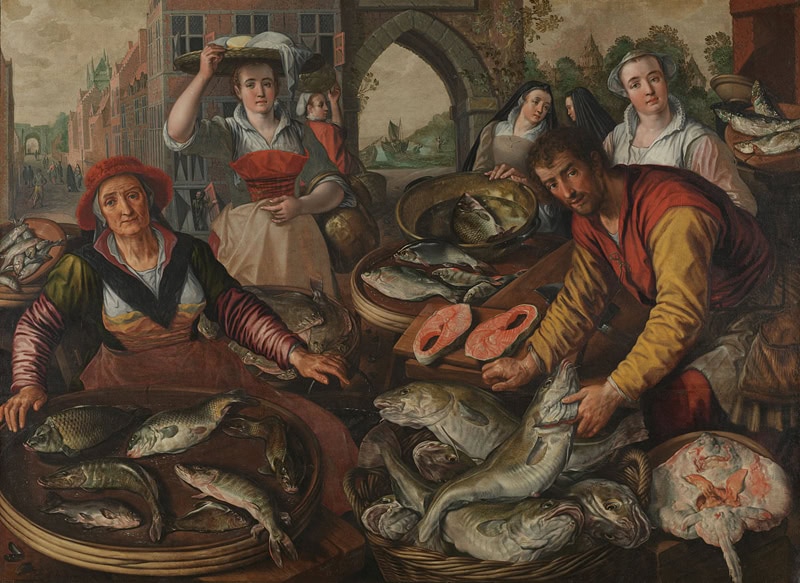
Joachim Beuckelaer's The Four Elements: Water*, filled with various fish.*
The Baroque period, characterized by drama, emotion, and rich chiaroscuro, finds a compelling representative in Caravaggio’s Boy Bitten by a Lizard. This innovative painting captures a fleeting moment of surprise and pain with striking realism, a hallmark of Caravaggio's revolutionary approach to art in the late 16th century, where he painted directly from live models.
Highlights
Caravaggio's Boy Bitten by a Lizard
Images
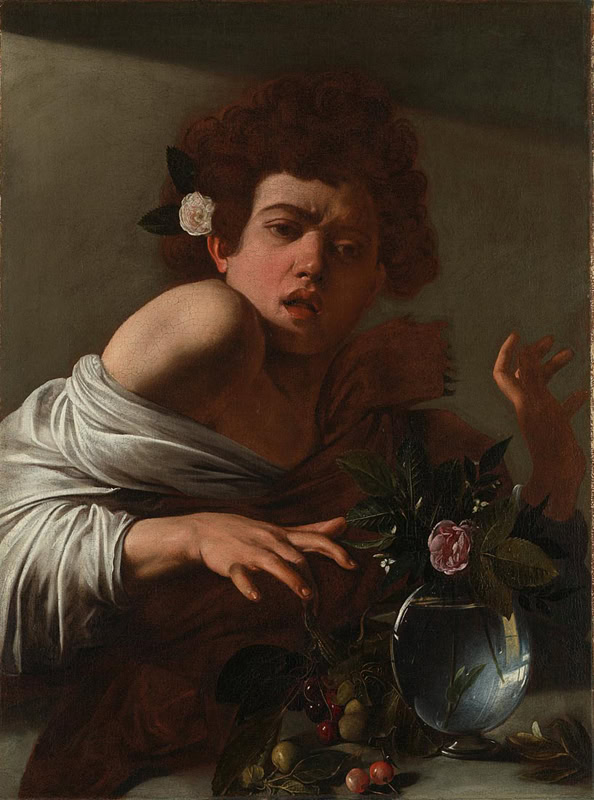
Caravaggio’s Boy Bitten by a Lizard captures raw emotion.
Room 34 of the National Gallery is dedicated to beloved British artists, offering a profound appreciation for the nation's own art history. William Turner’s The Fighting Temeraire is a poignant depiction of a historic warship being towed to its final resting place, a masterful study of light and the passage of time. John Constable’s The Hay Wain, an idealized view of the English countryside, showcases his unparalleled skill in capturing natural landscapes, particularly his iconic cloud studies.
Highlights
William Turner's The Fighting Temeraire
John Constable's The Hay Wain
Images
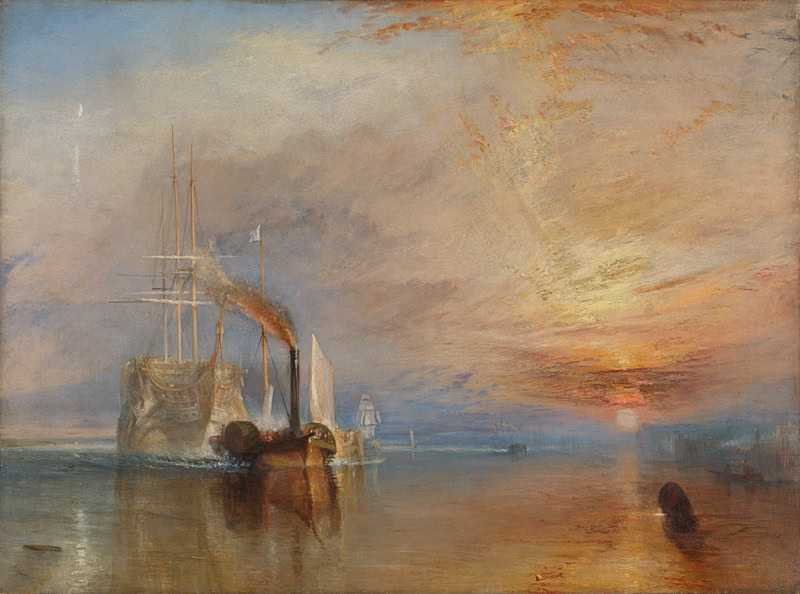
Turner’s evocative The Fighting Temeraire*.*
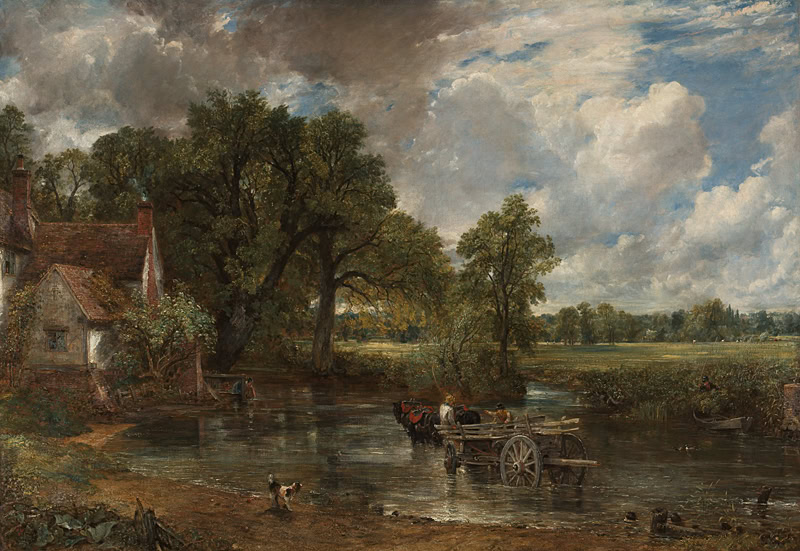
John Constable’s tranquil masterpiece, The Hay Wain*.*
The Impressionist and Post-Impressionist galleries are often among the most popular, brimming with instantly recognizable works that redefined artistic expression. Claude Monet’s Waterlilies immerses viewers in a shimmering world of color and light. Vincent van Gogh’s Sunflowers, one of several versions, radiates warmth and vibrancy. Georges Seurat’s monumental Bathers at Asnières, a foundational work in Pointillism, captures a serene day by the Seine. Henri Rousseau's Surprised!, a vivid and imaginative jungle scene, exemplifies his unique 'naïve art' style, created entirely from his imagination.
Highlights
Claude Monet's Waterlilies
Vincent van Gogh's Sunflowers
Georges Seurat's Bathers at Asnières
Henri Rousseau's Surprised!
Images
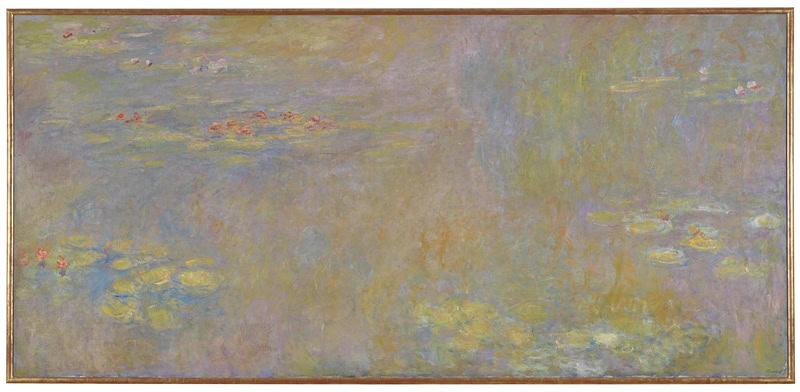
Monet’s immersive Waterlilies captivates with its swirling colors.
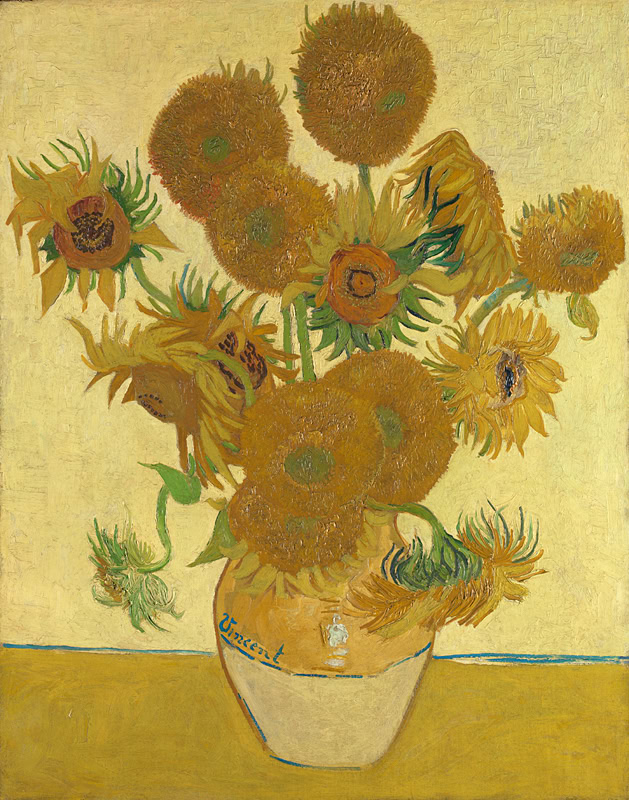
Van Gogh’s iconic Sunflowers*, a burst of warmth and light.*
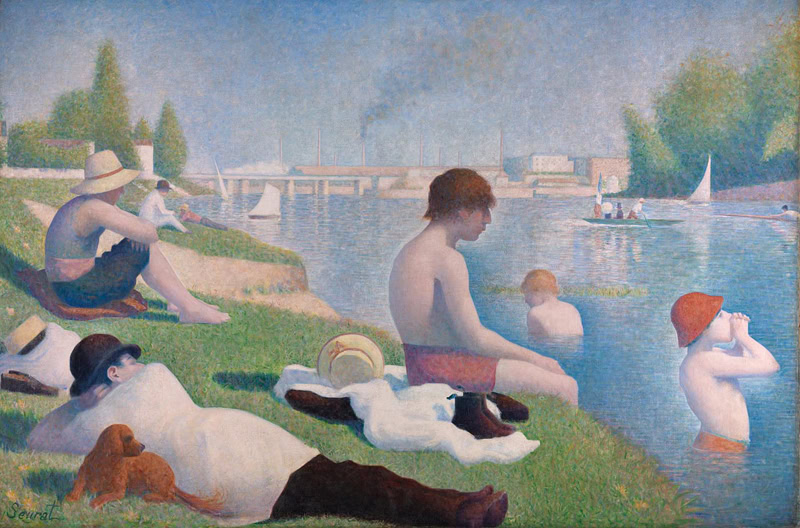
Seurat’s monumental Bathers at Asnières*, a pioneering work of Pointillism.*
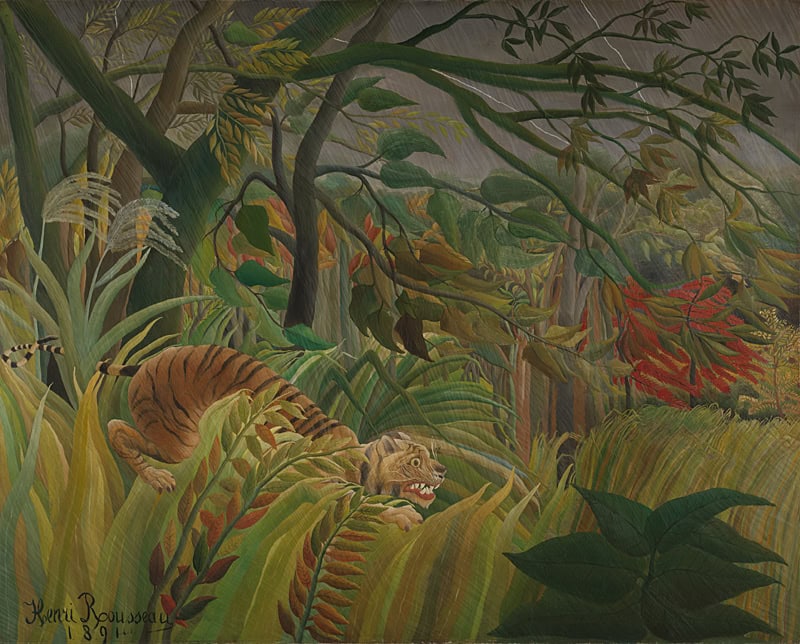
Henri Rousseau’s vibrant and imaginative Surprised!.
Beyond its celebrated permanent collection, the National Gallery actively fosters engagement through a dynamic programme of temporary exhibitions, diverse events, and tailored family activities. These initiatives ensure that the gallery remains a vibrant hub for continuous discovery and learning, appealing to a broad audience from seasoned art enthusiasts to young children.
The gallery's commitment extends to offering varied pathways to engage with art, ensuring that every visit can be a unique experience. Whether seeking in-depth academic study or a playful introduction to art, the National Gallery provides numerous opportunities to connect with its rich offerings.
The National Gallery regularly hosts a range of temporary exhibitions, from major blockbusters exploring specific movements or artists to free contemporary and modern shows. Past and upcoming examples include 'Radical Harmony: Helene Kröller-Müller's Neo-Impressionists,' 'Wright of Derby: From the Shadows,' 'Edwin Austin Abbey: By the Dawn’s Early Light,' and 'Van Eyck: The Portraits.' These exhibitions often require a separate ticket, though some are free to enter, offering fresh perspectives and deeper dives into particular artistic narratives.
Highlights
Major loan exhibitions and contemporary displays
Examples: Radical Harmony, Wright of Derby, Van Eyck: The Portraits
Both free and paid exhibition options
The gallery's event calendar is rich with opportunities for learning and interaction. Visitors can participate in hands-on workshops, attend insightful talks and conversations, or enroll in courses covering diverse art historical periods, such as 'Flora in focus: Botanical printmaking' or 'City by city: Renaissance art in Italy.' Guided tours are also a popular feature, including daily options for the general public and specialized tours for members. Shorter 10-minute talks, such as 'From dusk till dawn: Pissarro, 'The Boulevard Montmartre at Night'', provide concise insights into individual masterpieces.
Highlights
Workshops (e.g., botanical printmaking)
Courses (e.g., Renaissance art in Italy)
Daily guided tours and 10-minute talks
Events for families and members
Images
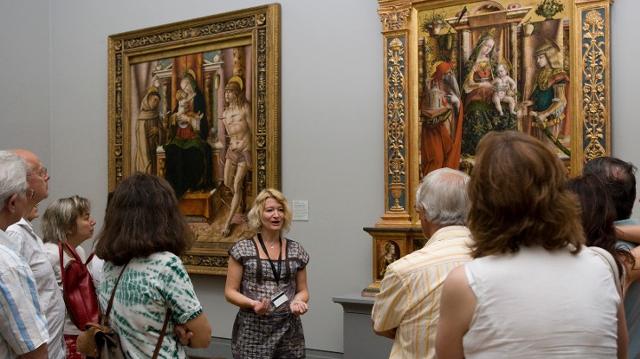
Experts offer free daily guided tours of the collection.
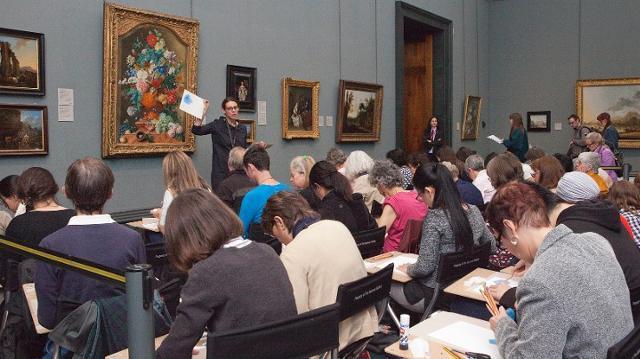
Free artist-led talk and draw classes are among the gallery's engaging activities.
The National Gallery actively encourages younger visitors and families to engage with art. It offers free activities for children of all ages and dedicated spaces such as the 'Welcome space weekends and holidays,' ensuring that exploring the collections can be an enriching and enjoyable experience for everyone. Online resources and games also complement the in-gallery family offerings.
Highlights
Free activities for children of all ages
Dedicated family spaces and workshops
Images

The National Gallery offers free activities for families.
The National Gallery marked a significant milestone, celebrating two centuries since its founding in 1824. This bicentenary has been commemorated as a year-long festival of art, creativity, and imagination, acknowledging the gallery's enduring legacy and looking forward to its future contributions to the art world. This period emphasizes the gallery's continuous mission of bringing people and paintings together.
Highlights
Acknowledging two centuries since its 1824 founding
A year-long festival of art and creativity
To make the most of your visit to the National Gallery in London, considering a few practical details can enhance the experience. From understanding admission policies to navigating dining options and finding the best times to explore, careful planning ensures a more relaxed and fulfilling engagement with the art.
The gallery strives to be as accommodating as possible, providing resources and facilities to cater to a diverse range of visitors. Awareness of these amenities can streamline your experience, allowing you to focus on the art rather than logistics.
Image
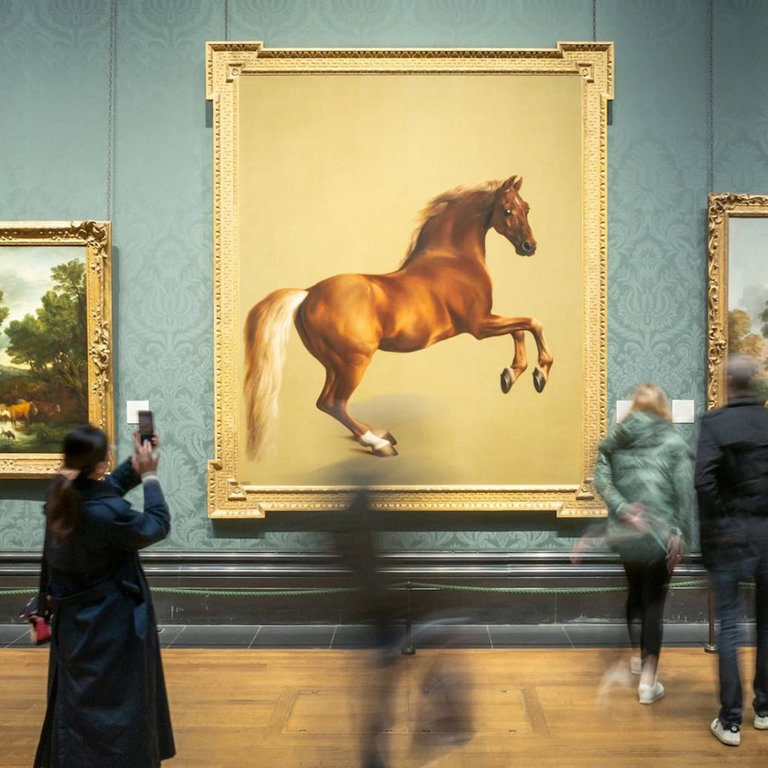
Planning helps visitors fully appreciate the must-see paintings.
Admission to the National Gallery’s permanent collection is free, though donations are welcomed to support its ongoing operations. Special exhibitions, however, may have an associated fee. The gallery is open daily from 10 am to 6 pm, with extended hours on Fridays until 9 pm. Closing procedures typically commence five minutes before the stated closing time.
Highlights
Free admission to the permanent collection
Donations are welcome
Special exhibitions may have a fee
Open daily 10 am – 6 pm (Saturday-Thursday)
Friday lates: 10 am – 9 pm
Given the sheer volume and significance of artworks, a satisfying visit typically requires at least three hours to explore the major highlights at a comfortable pace. However, art enthusiasts could easily spend an entire day, or multiple visits, to fully appreciate the depth and breadth of the collection.
Highlights
Minimum 2-3 hours for major works
Full day for comprehensive exploration
The National Gallery is exceptionally well-connected by public transport. The closest Tube station is Charing Cross (Bakerloo and Northern lines). Embankment (Bakerloo, Circle, District, and Northern lines) and Leicester Square (Northern and Piccadilly lines) are also conveniently located within a 10-minute walk. Numerous bus routes, including 12, 24, 88, and 453, stop nearby. For those preferring active transport, Santander Cycles docking stations are available on St Martin's Street, Craven Street, Pall Mall East, William IV Street, Charles II Street, and Oxendon Street.
Highlights
Closest Tube: Charing Cross
Nearby Tube: Embankment, Leicester Square
Bus routes: 12, 24, 88, 453
Santander Cycles docking stations nearby
The National Gallery is equipped with comprehensive accessibility features to ensure a comfortable visit for everyone. These include accessible lifts, flat routes suitable for pushchairs and wheelchairs, staff trained in disability awareness, and wheelchairs available free of charge. The venue also provides accessible baby changing rooms, full non-assisted wheelchair access into the building, ramps, and clear signage. Information is available in audio and large print formats, and British Sign Language (BSL) performances are sometimes offered for specific events.
Highlights
Accessible lifts and flat routes
Wheelchairs available free of charge
Staff disability awareness trained
Accessible baby changing rooms
Information in audio and large print
BSL performances for some events
For refreshment during your visit, the National Gallery offers several dining options. Ochre, a cocktail bar and restaurant, serves lunch and dinner daily, and also provides traditional afternoon tea and Sunday roasts. For a more casual experience, Muriel’s Kitchen is a self-serve café specializing in European and British dishes, including seasonal salads and bakery items. The Espresso Bar by Muriel’s offers a quick stop for coffee and cake.
Highlights
Ochre: restaurant, lunch, dinner, afternoon tea, Sunday roasts
Muriel’s Kitchen: self-serve café, European and British dishes
Espresso Bar by Muriel’s: coffee and cake
Image
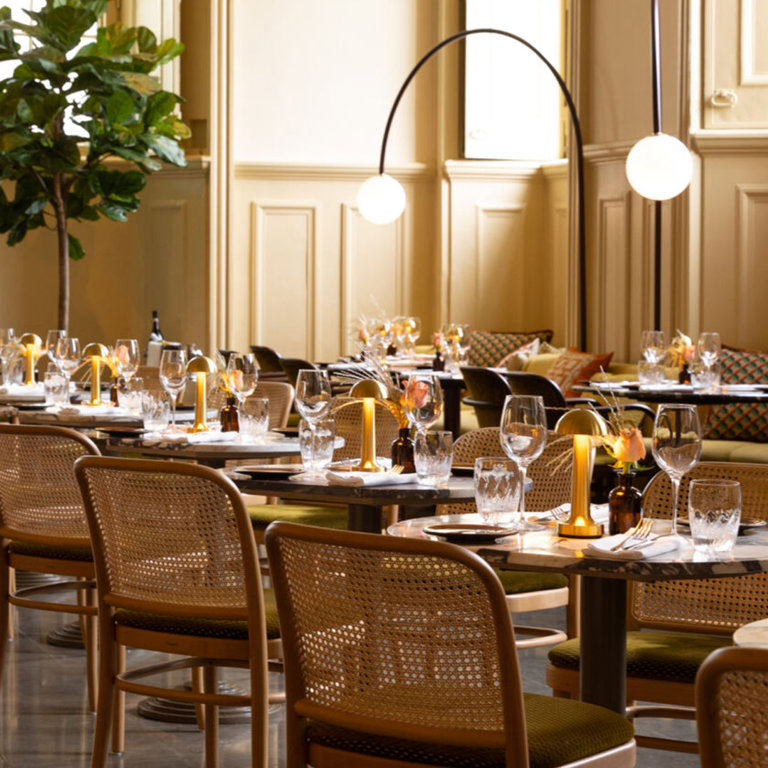
Ochre restaurant, one of the gallery’s dining options.
Visitors can explore the world of art further at the gallery’s two onsite shops, including the Portico Shop and Getty Shop. These shops offer a diverse range of gifts, books, souvenirs, and high-quality prints, with collections that change regularly. Every purchase made directly supports the National Gallery in maintaining its collections and continuing its educational mission.
Highlights
Portico Shop and Getty Shop
Books, prints, souvenirs, and gifts
Purchases support the gallery
Image
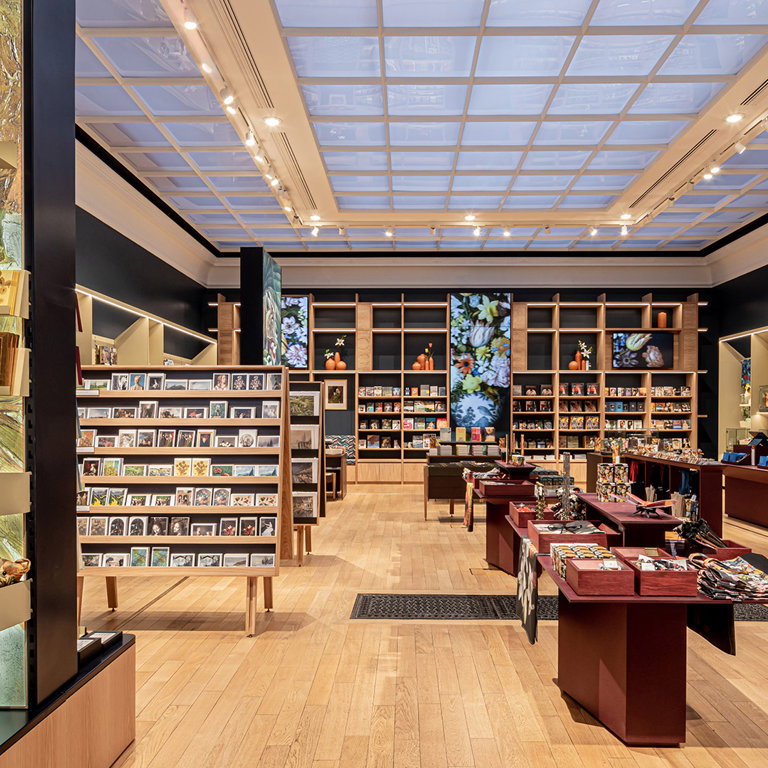
The Portico entrance shop offers a wide array of art-inspired items.
For those seeking a quieter experience, mornings and weekday afternoons generally tend to be less crowded. The extended Friday late openings, until 9 pm, also provide a unique opportunity to explore the collections in a different atmosphere, often with fewer visitors than peak daytime hours.
Highlights
Mornings and weekday afternoons for fewer crowds
Friday late openings offer extended viewing hours
For general inquiries or further assistance, the National Gallery can be reached via telephone or email. This ensures visitors have direct access to information for planning their visit or addressing specific questions.
Practical notes
Phone: +44 (0)20 7747 2885
Email: information@ng-london.org.uk
The National Gallery extends its reach beyond its physical walls in Trafalgar Square, offering numerous ways for individuals to engage with art from anywhere in the UK or globally. Through innovative digital platforms and outreach programmes, the gallery ensures its collections and educational resources are accessible to a wider audience.
This commitment to broad engagement highlights the gallery's dedication to making art a part of everyday life, whether through immersive virtual experiences or creative online learning opportunities.
From the comfort of home, art enthusiasts can explore the gallery's stories, games, and virtual experiences. Highlights include the 'Picture of the Month' series, online courses to discover a world of art, and the 'National Gallery Imaginarium,' a virtual space for interactive engagement with paintings. The gallery also offers 'The Keeper of Paintings,' a gaming experience on platforms like Roblox, and 'Make and create' online art tutorials for hands-on learning.
Highlights
Virtual gallery and Imaginarium
Online courses and art tutorials
Digital games, including 'The Keeper of Paintings' on Roblox
'Picture of the Month' series
Images
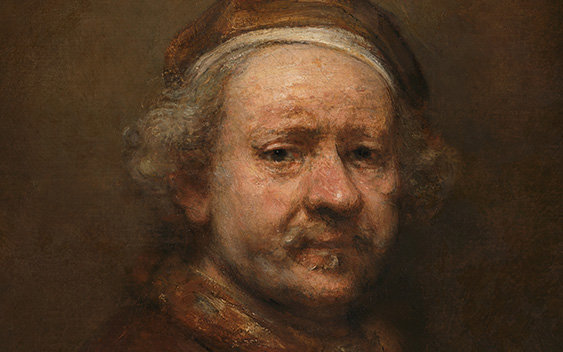
The 'Picture of the Month' series offers online insights into specific artworks.

Engage with art through the gallery’s online courses.
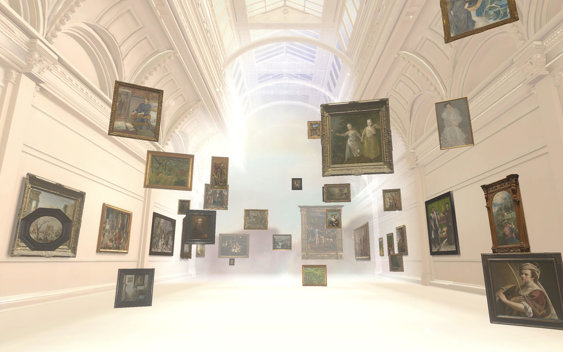
Spark your imagination in the virtual National Gallery Imaginarium.

Step into a hidden world of art and magic with 'The Keeper of Paintings' game.

Online art tutorials allow for creative engagement from home.
Beyond its London base, the National Gallery actively works to engage audiences across the entire United Kingdom. This ensures that a broader national community can connect with and appreciate their national collection, fulfilling its mission to bring people and paintings together, wherever they are.
Highlights
Outreach and engagement across the UK